
Key Takeaways
- A will always goes through probate, even if it’s simple—while a properly funded trust can avoid court altogether.
- Your personal situation determines the best tool: beneficiaries, assets, and family dynamics all influence the choice between a will or trust.
- Trusts offer privacy and control, making them a strong choice for complex estates or families with special needs.
- Estate planning is not one-size-fits-all: in Florida, local laws like homestead protections can complicate matters if not handled properly.
- Regular updates are crucial: outdated or unfunded documents can undo your best-laid plans.
Introduction
Thinking about your estate plan can feel overwhelming—especially when you’re trying to decide between a will or a trust. If you’re in Central Florida—anywhere from Orlando and Winter Garden to Windermere or Dr. Phillips—you’re not alone in asking: Which option is right for me?
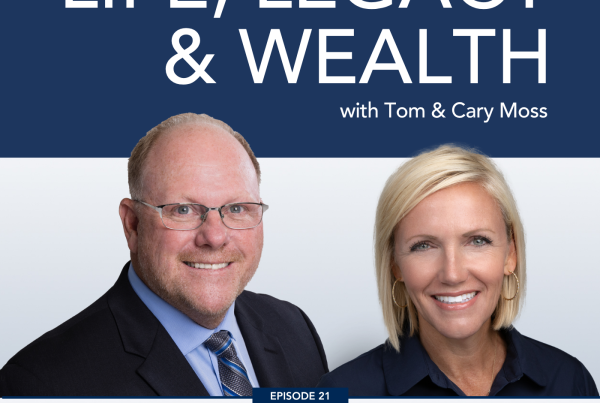
In this episode of Life, Legacy, and Wealth, estate planning attorney Tom Moss of Sawyer & Sawyer, P.A. breaks down everything you need to know to make that decision. With decades of experience guiding families through probate, elder law, special needs planning, and trusts, Tom offers real-world clarity for Floridians from Orange to Osceola County.
Here’s what you need to know to make the right estate planning decision for your family and future.
Wills vs. Trusts: Understanding the Basics
Estate planning attorney Tom Moss explains that there’s no universal answer—it depends on multiple factors.
“It’s not a yes or no thing,” Tom explains. “We have to look at your fiduciary structure, your beneficiaries, and the complexity of your estate.”
A will is a legal document that outlines your wishes but only becomes effective after death—and only once it’s submitted to probate court.
A trust, on the other hand, is a private legal document that takes effect immediately upon signing. If funded properly, it allows you to avoid probate by placing ownership of assets into the trust’s name during your lifetime.
What Does a Will Actually Do?
Tom explains that a will controls only the assets in your name that do not have a beneficiary designation or joint owner.
“If you die with a bank account just in your name, with no beneficiary, that’s a probate asset. Even if your will says it goes to your son, it must go through court.”
Another myth Tom frequently encounters? That having a will avoids probate:
“A will is probate. There’s intestate probate when you don’t have a will, and testate probate when you do. Either way, court oversight is required.”
How Trusts Work Differently
A trust begins working the day it’s signed, but it only controls assets that are titled in the trust’s name or designated to it via beneficiary forms.
“The moment you fund your trust—by changing a deed or retitling an account—it becomes effective. That asset now avoids probate,” Tom says.
Trusts also come with a “pour-over will” as backup, which directs any forgotten or unfunded assets into the trust via a small probate. But ideally, if you fund the trust correctly, you avoid court altogether.
Myths and Misunderstandings About Wills and Trusts
Tom debunks several common misconceptions:
Misconception #1: “A simple will is all I need.”
Even simple wills go through probate. If you have assets solely in your name, probate is unavoidable—whether or not you have a will.
Misconception #2: “Trusts are only for the wealthy.”
“Even someone with a modest estate may need a trust,” Tom says. “It’s about your goals, not your net worth.”
Key Factors in Deciding Between a Will or Trust
Tom walks listeners through the core decision points:
1. Do You Have a Trusted Fiduciary?
If there’s no reliable family member to serve as power of attorney or personal representative, you may need a corporate trustee—which typically requires a trust.
2. What Does Your Beneficiary Structure Look Like?
If your assets are going outright to capable adults, a will may suffice. But if you’re dealing with:
- Special needs beneficiaries
- Second marriages
- Creditors or lawsuits
- Young or irresponsible heirs
Then a trust offers protective planning and long-term structure.
3. What Types of Assets Do You Own?
IRAs and insurance policies can be handled with beneficiary forms. But real estate, business interests, or investment accounts without beneficiaries may point toward a trust solution.
4. How Complex Is Your Estate?
“If you have 13 businesses, multiple properties, or complex tax issues, trusts streamline administration,” Tom explains.
Trusts also avoid problems where all funds are left via beneficiary designations—leaving no money in the estate to cover taxes or legal costs.
The Role of Real Estate
Real estate can complicate things—especially out-of-state property. Without planning, each property may require separate probate proceedings.
Options in Florida include:
- Joint ownership (e.g., “tenants by the entirety” for married couples)
- Lady Bird Deeds (enhanced life estate deeds)
- Funding real estate into a trust
Each option has pros and cons depending on your family and your goals.
When You Have Minor or Special Needs Children
Tom strongly recommends trusts when children are involved—especially special needs kids.
“You can create a trust through your will (called a testamentary trust), but it still goes through probate. Why go through court when you don’t have to?”
A revocable living trust offers more control, flexibility, and privacy.
Does Size of Estate Matter?
Not really. According to Tom:
“My mom could have $10 million in a single bank account and just list me as a beneficiary. That’s simple and avoids probate.”
It’s not about size—it’s about the structure, goals, and complexity of your estate.
Avoiding Guardianship Through Incapacity Planning
Estate planning isn’t just about what happens after death. It also protects you if you become incapacitated.
Without powers of attorney or a successor trustee, your loved ones may be forced into guardianship proceedings—a costly, time-consuming court process.
“You plan for everything else in life. Why wouldn’t you plan for incapacity?” Tom asks.
Trusts Require Ongoing Maintenance
Trusts aren’t set-it-and-forget-it tools. You’ll need to:
- Fund the trust (retitle accounts, update deeds)
- Update documents as laws change
- Reevaluate trustees and beneficiaries over time
“Your 15-year-old son may not be trustee material today,” Tom notes. “But in 20 years, he might be the perfect choice.”
Funding the Trust: The Most Common Mistake
Tom sees this often: clients create a trust but never fund it. Without assets inside it, the trust is worthless at death—and probate is required.
Funding can be done two ways:
- During your lifetime by changing ownership titles
- At death via beneficiary designations (like life insurance or retirement accounts)
Both must be intentional and up to date.
Online Forms and DIY Estate Plans: Proceed with Caution
Tom warns against common DIY pitfalls:
- Improper execution (missing witnesses, notarization issues)
- Confusing or contradictory language
- Forgetting Florida’s unique homestead laws
- Choosing the wrong trustee
“There’s a difference between a good person and a good trustee,” he reminds us.
How to Coordinate With the Rest of Your Estate Plan
Whether you choose a will or a trust, every Floridian needs:
- Healthcare surrogate
- Living will
- HIPAA release
- Durable power of attorney
These documents handle decisions while you’re alive. After death, your will or trust takes over.
Moved to Florida? Here’s What You Need to Know
If you created your documents out of state, have them reviewed.
Florida’s:
- Homestead laws
- Spousal rights
- Property tax exemptions
…may not align with documents drafted elsewhere.
“Even if your trust worked in Michigan, it might not work here.”
When Should You Revisit Your Estate Plan?
Sawyer & Sawyer offers a “lawyer support” program with annual reviews. But even if you’re not enrolled, Tom advises:
- Review your documents yearly.
- Watch for life changes (divorce, new child, financial windfall).
- Keep your attorney informed.
How to Get Started with Estate Planning in Florida
If you’re overwhelmed, Tom suggests three simple steps:
- Inventory your assets
- List your beneficiaries
- Identify potential complexities (blended families, special needs, creditor issues)
“These are the things we’ll talk about at your first consultation,” Tom says.
Call to Action
Whether you’re starting from scratch or rethinking outdated documents, the team at Sawyer & Sawyer, P.A. is here to help. We’ve guided families across Orlando, Windermere, Winter Garden, Dr. Phillips, and beyond through personalized estate plans that actually work—when it matters most.
???? Call us today at [407-909-1900]
???? Or schedule your consultation online: https://sawyerandsawyerpa.com/contact-us/
Don’t leave your legacy to chance. Let’s plan it right.