
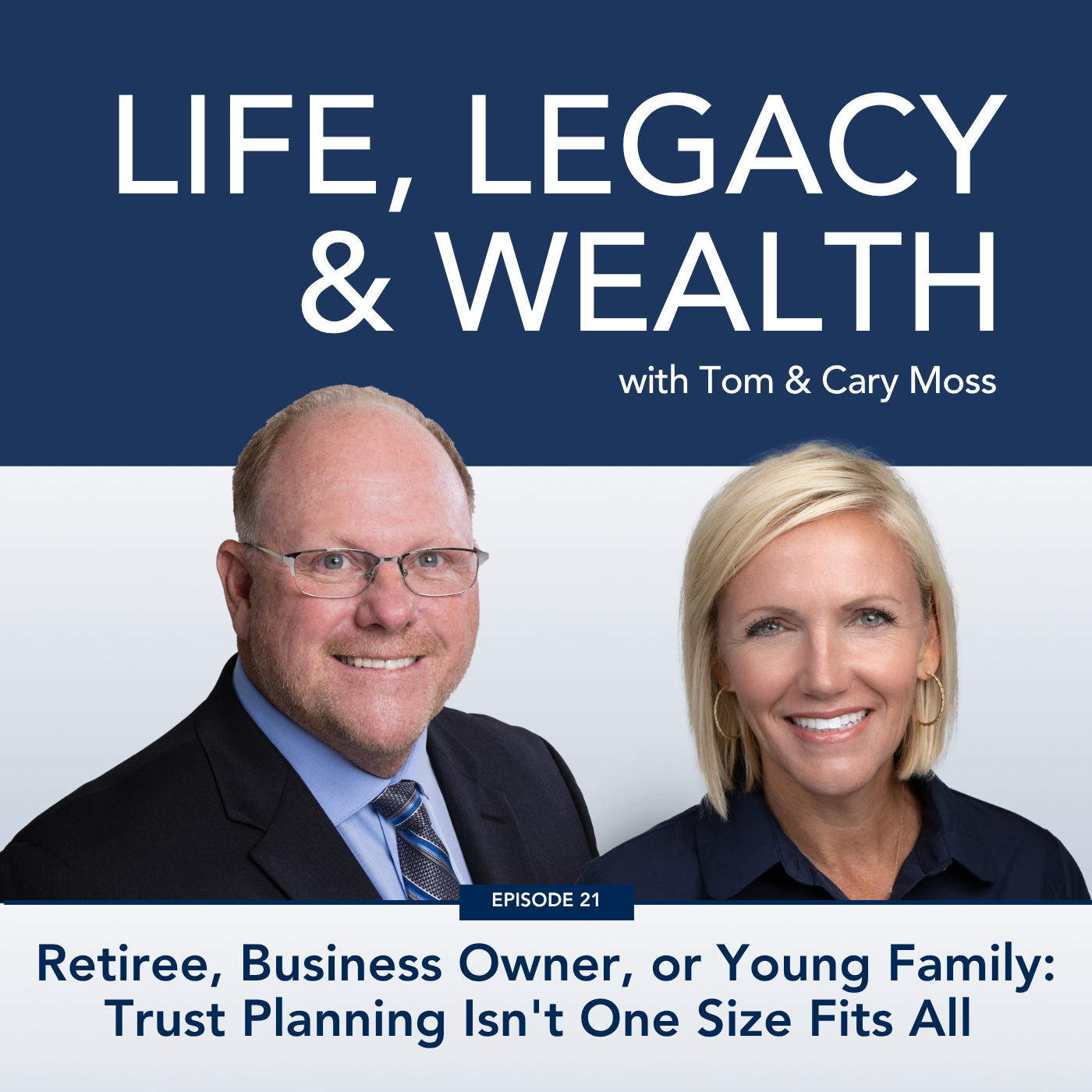
Most people hear “irrevocable trust” and assume the terms are frozen the day they sign. Estate planning attorney Tom Moss says that assumption costs families flexibility they don’t know they have. Florida law offers several ways to adjust an irrevocable trust after the fact. A trust protector can hold the power to amend certain terms when circumstances change, as long as the changes don’t violate tax rules. Florida statutes also allow modification through a court process, provided all beneficiaries are notified and a judge signs off. The third option, decanting, lets a fiduciary take a fresh look at a trust after someone has died and adjust it to fit a situation the original document never anticipated, like a beneficiary who’s since become disabled or fallen into addiction.
When Revocable Becomes Irrevocable
A revocable trust moves through three distinct phases. While the person who created it is alive and competent, they control everything, file taxes under their own Social Security number, and can change the trust at will. If they become incapacitated, a successor trustee steps in to manage things on their behalf, but the trust itself is still revocable. The switch flips permanently at death. At that point, the trust gets its own tax ID, settles final debts, and becomes irrevocable. From there, it can either distribute assets outright or continue holding them in trust for a beneficiary who needs ongoing protection.
Florida’s Trust Environment Favors Relocating Families
Families moving to Florida from states like New York or New Jersey often bring outdated assumptions with them. Florida’s homestead laws protect a primary residence from most creditor claims, which can eliminate the need for the irrevocable trust structures those states typically require. But homestead protection comes with a catch. Anyone who is married or has minor children cannot simply devise l their house to whomever they choose. Florida’s Constitution dictates that a surviving spouse is entitled to at least a life estate in the home, regardless of what the trust says. Florida also offers Medicaid planning options that Tom describes as more flexible than what many other states allow, particularly for couples managing long-term care costs.
Trust Planning Isn’t One Size Fits All
The right structure depends heavily on where someone stands in life. Retirees tend to focus on incapacity planning and protecting adult children from creditor or spousal claims on their inheritance. Business owners need to think about limiting personal liability and building a real succession plan, since a company built around one person’s involvement can lose most of its value the moment that person is gone. Younger families building wealth often start simpler, sometimes with a will and a term life insurance policy, and add complexity as their assets grow.
Know the Signs It’s Time to Revisit Your Plan
An estate plan isn’t a document to sign once and forget. Tom points to specific triggers that should prompt a review: a named fiduciary who has died, a lawsuit involving a family member, a significant jump in net worth, or a child whose life circumstances have changed since the original plan was drafted. Plans built around a “kid” often need updating once that child is an adult facing divorce, debt, or a relationship that puts their inheritance at risk. Reviewing an existing plan against these moments can prevent gaps that only surface when it’s too late to fix them.
If you want to learn more about Life, Legacy & Wealth, check out https://sawyerandsawyerpa.com/podcast/